
Category: Children’s Dental Health

  • Your Child’s First Dental Visit: A Guide for Saint Lucian Parents

    Your Child’s First Dental Visit: A Guide for Saint Lucian Parents

    A child’s first dental visit is an important early step in looking after their smile. If you’re a parent in Saint Lucia, you may be wondering when to book, what the dentist will check, or how your child will react. Those are all reasonable questions.

    The good news is that a first appointment is often short and focused on getting to know your child, checking their developing teeth and helping you care for them at home. Here is what parents and guardians can expect.

    When should your child first visit the dentist?

    The American Academy of Pediatric Dentistry and the American Dental Association recommend a first dental visit when the first tooth appears, and no later than a child’s first birthday. Teeth can develop cavities soon after they emerge, so early advice matters even when your baby has only one or two teeth.

    If your child is already older and has not had a first dentist appointment, you can still arrange one. Your dentist can assess their current oral health and help you plan the next steps without judgment.

    Why visit when baby teeth will eventually fall out?

    Baby teeth help children eat, speak and make room for adult teeth. A healthy start can also make brushing and dental checkups familiar parts of everyday life. A first visit gives you an opportunity to ask about teething, feeding, cleaning your child’s mouth and preventing cavities before they become a problem.

    What happens at the first dental appointment?

    The details depend on your child’s age, comfort and needs. A first visit may include:

    • A conversation about health and habits. Your dentist may ask about teething, feeding, brushing, medicines and any concerns you have noticed.
    • A gentle look at the mouth. The dentist may check the teeth, gums, jaw and bite for signs of normal development or problems that need attention.
    • Practical home-care advice. You can ask how much toothpaste to use, how to clean small teeth, and which food or drink habits matter most.
    • A plan for the next visit. Your dentist will advise when to return based on your child’s needs and what was found during the assessment.

    Very young children can sometimes be examined while sitting on a parent’s lap. A cleaning or another procedure is not automatically part of every first visit. The dentist will explain what is appropriate after assessing your child.

    Five simple ways to prepare your child

    • Choose a good time of day. Where appointment options allow, aim for a time when your child is usually rested and has eaten.
    • Use simple, positive words. You might say, “The dentist will look at your teeth and help us keep them healthy.”
    • Practise opening wide. Make it a short, playful activity while brushing or looking in a mirror.
    • Bring a comfort item. A familiar small toy or favourite book may help your child settle in a new place.
    • Make a list of your questions. You do not need to remember everything once you arrive.

    What if your child becomes nervous or cries?

    Some children are curious, while others need more time to feel comfortable. A toddler may wriggle or cry during an unfamiliar examination. That does not mean you have failed to prepare them.

    Tell the dental team about any previous difficult experiences, worries or support needs when arranging the visit. A patient approach may involve extra explanation, breaks or a plan for another appointment. What can be completed on the day depends on the child and the dentist’s clinical assessment.

    Looking after your child’s teeth between visits

    Begin brushing as soon as the first tooth appears. Use a soft, child-sized toothbrush and fluoride toothpaste twice a day. For children younger than three, the recommended amount is a tiny smear about the size of a grain of rice. From ages three to six, use no more than a pea-sized amount. An adult should help or supervise and encourage children to spit out extra toothpaste.

    Offer water regularly, and pay attention to how often your child has sugary drinks or snacks. If you are unsure about a feeding habit, toothpaste or brushing routine, ask your dentist for guidance that suits your child’s age and risk of decay.

    Questions you can ask at the first appointment

    • Are my child’s teeth and gums developing as expected?
    • Am I using the right amount of toothpaste?
    • What should I know about thumb-sucking, pacifiers or teething?
    • How often should my child return for a checkup?
    • Are there any concerns I should watch for at home?

    First dental visits: frequently asked questions

    Does a one-year-old really need a dental visit?

    Yes. Major dental associations recommend the first visit when the first tooth appears and no later than age one. The visit can be useful even if only a few teeth are present.

    Does the dentist have to clean my child’s teeth at that appointment?

    Not necessarily. The dentist will assess what is needed. Some first visits focus mainly on a gentle examination and advice for the parent or guardian.

    What if my child is older than one and has never visited a dentist?

    You can arrange a first assessment now. There is no need to feel embarrassed. The aim is to understand your child’s current needs and establish a suitable care plan.

    Can I stay with my child during the examination?

    Parents often remain close during examinations of babies and toddlers, and the child may sit on their lap. Ask the practice what to expect for your child’s age and appointment type.

    Ready to plan your child’s first visit?

    At Sunshine Dental, we believe children and families deserve patient, clear and respectful dental care. If you are planning your child’s first dental visit in Saint Lucia, contact our team to ask about an appropriate appointment and what to bring. We can explain the next steps and help you prepare.

    Book an appointment or contact Sunshine Dental to learn more about children’s dental care.
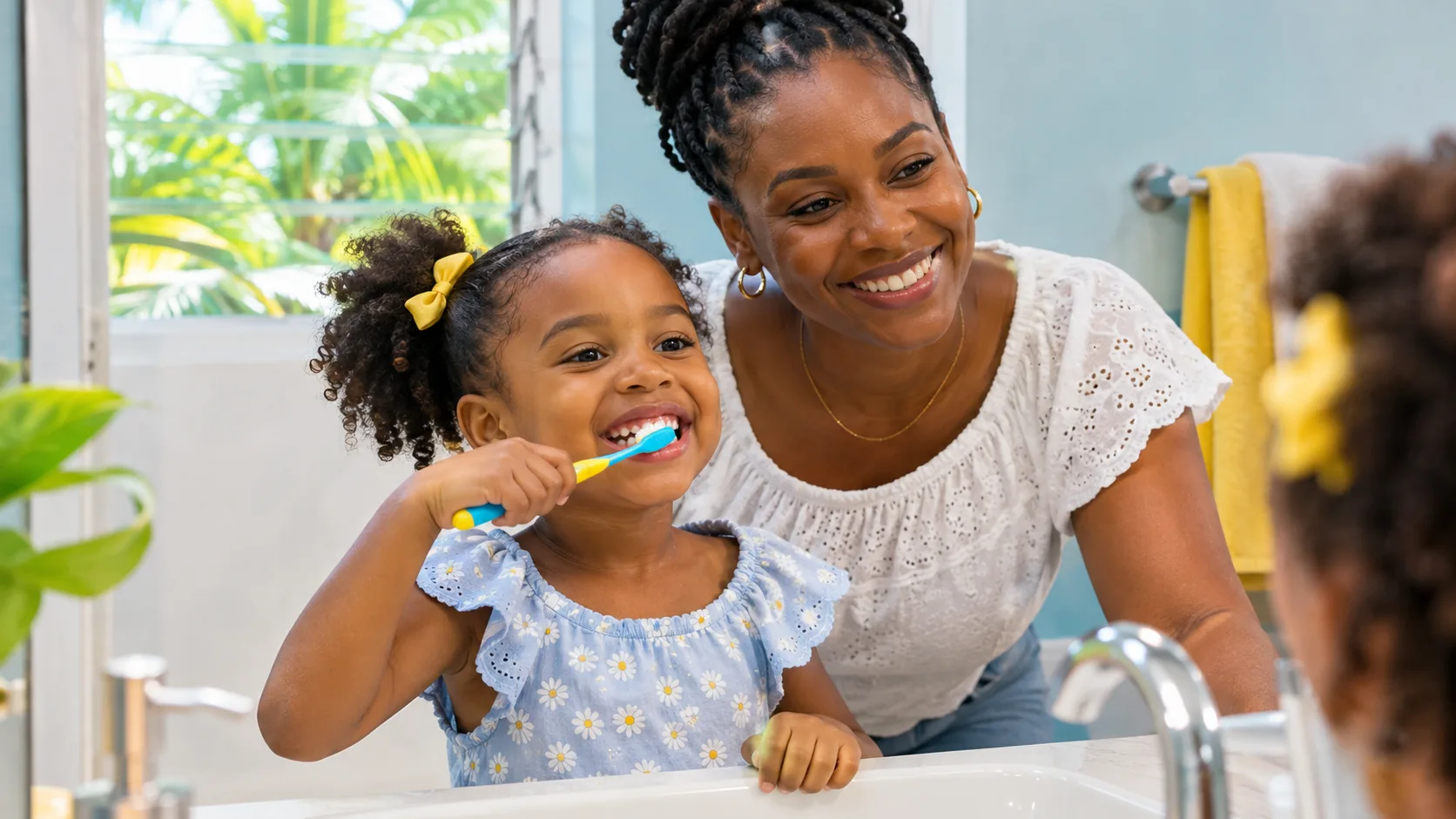
  • Why Baby Teeth Matter More Than You Think: A Guide for Saint Lucian Parents

    Why Baby Teeth Matter More Than You Think: A Guide for Saint Lucian Parents

    Baby teeth are temporary, so it is understandable to wonder how much care they really need. After all, they will eventually make way for adult teeth. But your child uses those first teeth every day, and their condition matters while your child is growing.

    For families in Saint Lucia, looking after baby teeth can start with a few manageable habits at home. Here is why those small teeth deserve attention, what can happen when decay develops, and how you can help protect your child’s smile.

    What are baby teeth?

    Baby teeth, also called primary teeth or milk teeth, are the first set of teeth that appear in childhood. They usually begin to come through during the first year of life. Over time, they are replaced by permanent teeth, but some baby teeth remain in the mouth for many years.

    Because children depend on these teeth during important stages of development, keeping them healthy can make a real difference.

    Five reasons baby teeth are important

    1. They help your child chew comfortably

    Healthy baby teeth help children bite and chew a range of foods as they grow. Painful or damaged teeth may make chewing difficult and can lead a child to avoid certain foods.

    2. They support speech development

    Children learn to make many sounds while their mouths, tongues and teeth are developing. Baby teeth play a role in forming speech sounds, alongside other parts of the mouth.

    3. They help keep space for adult teeth

    Baby teeth help guide the positions of the permanent teeth developing beneath them. When a baby tooth is lost much earlier than expected, nearby teeth may move into the space. A dentist can assess whether the loss may affect the developing bite and if any follow-up is needed.

    4. They affect comfort and everyday activities

    A cavity or dental infection can cause toothache, tenderness or swelling. For a young child, that can interfere with eating, sleeping or enjoying normal activities. Problems in baby teeth deserve assessment even though those teeth will eventually fall out.

    5. They are the starting point for healthy habits

    Teaching your child to brush and visit the dentist regularly helps dental care become familiar. Early guidance also gives parents a chance to ask questions about toothpaste, feeding and snacks before difficulties develop.

    Can baby teeth get cavities?

    Yes. Tooth decay can begin once teeth appear. Bacteria in the mouth use sugar from foods and drinks and produce acids that can damage the tooth surface. Frequent sugary snacks or sips of sweet drinks give those acids more opportunities to act.

    A baby tooth with decay may need a filling or another form of treatment, depending on the tooth, the extent of damage, your child’s age and the dentist’s assessment. Sometimes removal may be considered. Parents should not assume that waiting for the tooth to fall out is the safest option.

    If you notice a hole, dark or chalky-white marks, sensitivity, pain, or difficulty chewing, arrange a dental assessment. A child with facial swelling, fever or worsening dental pain needs prompt professional attention. If swelling makes breathing or swallowing difficult, seek emergency medical care immediately.

    How to care for baby teeth at home

    • Start with the first tooth. Brush gently twice a day using a small, soft-bristled toothbrush and fluoride toothpaste.
    • Use the right amount of toothpaste. For children younger than three, use a smear about the size of a grain of rice. From ages three to six, use a pea-sized amount and help the child spit out the excess.
    • Keep helping with brushing. Young children need adult help and supervision. As a guide, many children need help until they can brush all surfaces thoroughly on their own.
    • Clean between teeth that touch. When two teeth are close together, ask your dentist how to clean between them safely with floss or a suitable tool.
    • Offer water often and limit repeated sugary snacks and drinks. It is the frequency of sugar exposure, as well as the amount, that matters for tooth decay.
    • Arrange dental visits early. Dental associations recommend a first appointment when the first tooth appears and no later than age one. Your dentist can advise on future checkup timing.

    A simple reminder for the Christmas season

    As families in Saint Lucia prepare for end-of-year celebrations, children may have more access to sweet snacks, cakes and drinks than usual. You do not have to take all treats away. Try offering them at planned times instead of allowing frequent snacking or sipping throughout the day, and keep the normal morning and bedtime brushing routine.

    A glass of water after eating can be helpful, especially when brushing is not immediately possible. Make bedtime brushing a priority, and avoid sending a child to bed with a sugary drink.

    What if your child dislikes brushing?

    Try making brushing predictable and calm. Let your child choose between two age-appropriate toothbrushes, take turns brushing, or use a short song to keep them engaged. You can allow them to practise before you finish the brushing yourself. If brushing is consistently painful or unusually difficult, ask the dentist to check for a possible problem and discuss approaches that suit your child.

    Frequently asked questions about baby teeth

    If baby teeth fall out, why treat cavities?

    A decayed baby tooth can cause pain or infection long before it is ready to fall out. Treatment may help preserve comfort and function. Your dentist will explain whether the tooth can be treated, monitored or needs another approach.

    Can losing a baby tooth too early affect adult teeth?

    It can. Early loss may reduce the space available for a permanent tooth to come through normally. The effect depends on which tooth is lost and your child’s development, so a dentist should assess the situation.

    Do baby teeth need fluoride toothpaste?

    Yes. Dental guidance recommends a small amount of fluoride toothpaste from the time the first tooth appears. The amount changes with age: a rice-grain smear before age three and a pea-sized amount from ages three to six.

    When should my child see the dentist?

    The first visit is recommended by the first birthday or when the first tooth appears. If your child is older and has not yet visited, you can still book an assessment. Seek advice sooner if you notice pain, swelling or signs of decay.

    Help your child build a healthy smile

    At Sunshine Dental, we want parents to feel informed about caring for their children’s teeth. Our focus is on practical prevention, thoughtful assessment and helping families understand their options.

    If you have questions about your child’s baby teeth, or it is time to arrange a dental visit, contact Sunshine Dental in Saint Lucia to discuss an appropriate appointment. You can also explore our children’s dental care information to learn what to expect.